
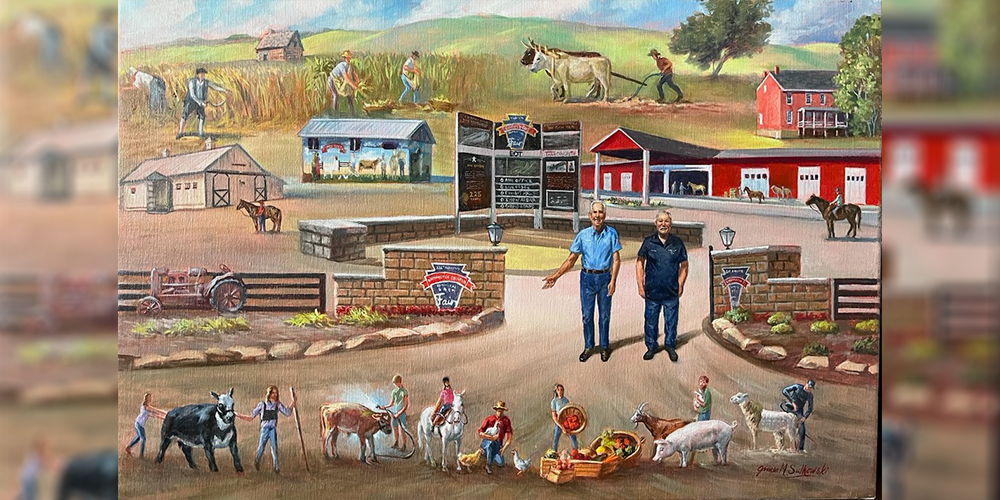
The Historical Roots of Agricultural Farming in Washington County, Pennsylvania
Nestled in the heart of southwestern Pennsylvania, Washington County boasts a rich and enduring legacy of agricultural farming and planting. From its earliest days, the region has been defined by its fertile soil, rolling hills, and the hardworking farmers who cultivated the land to sustain their families and communities. Let’s explore the historical journey of agriculture in Washington County and the impact it continues to have today.
Early Settlements and Agricultural Beginnings
In the late 18th century, Washington County became a hub for settlers moving westward. With its abundance of natural resources and favorable growing conditions, it quickly attracted those seeking to establish farms. Early settlers primarily engaged in subsistence farming, growing crops like corn, wheat, and oats, and raising livestock to meet the needs of their families.
As communities formed, agriculture became the backbone of the local economy. Farmers utilized hand tools and animal-powered plows to work the fields, fostering a sense of resilience and innovation among the early agricultural pioneers.
The Rise of Commercial Farming
By the 19th century, advancements in farming techniques and equipment allowed Washington County’s agriculture to grow beyond subsistence farming. With improved transportation networks, including canals and railroads, farmers could transport their goods to larger markets. This shift marked the rise of commercial farming, as crops like wheat, barley, and rye became staples for trade.
Livestock farming also expanded during this time, with cattle and sheep becoming prominent. The county’s pastures provided ample grazing land, leading to a thriving dairy industry and the production of wool.
Innovation and Adaptation
Agriculture in Washington County has always been characterized by innovation. In the late 19th and early 20th centuries, farmers embraced mechanized equipment, such as steam-powered threshers and tractors, to increase efficiency. These advancements reduced the physical labor required and allowed for larger-scale farming operations.
Despite challenges such as economic downturns and unpredictable weather, Washington County farmers continually adapted. The introduction of crop rotation, soil conservation techniques, and diversified farming practices helped ensure the sustainability of the land for future generations.
Modern-Day Agriculture
Today, agriculture remains a vital part of Washington County’s identity and economy. While traditional crops like corn and soybeans are still widely grown, modern farmers have also embraced niche markets, including organic farming, specialty crops, and agri-tourism.
The Washington County Agricultural Fair, a beloved annual event, highlights the area’s agricultural heritage and celebrates the contributions of local farmers. This event serves as a bridge between the past and present, showcasing everything from vintage farming equipment to the latest innovations in agricultural technology.
A Legacy of Hard Work and Community
The history of agricultural farming in Washington County is a testament to the resilience and ingenuity of its people. From the earliest settlers who tamed the land to today’s forward-thinking farmers, agriculture has been a constant thread, binding generations together and shaping the county’s character.
As we look to the future, it’s essential to honor this rich legacy while continuing to support and celebrate the hardworking farmers who sustain our communities. Their dedication ensures that Washington County’s agricultural heritage will thrive for years to come.